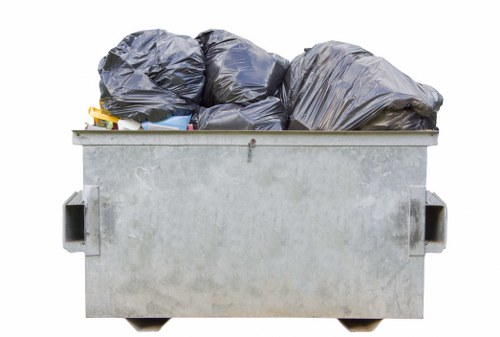
Recycling and Sustainability with Uxbridge Skip Hire
At Uxbridge Skip Hire we place sustainability at the heart of every collection. Our approach to creating an eco-friendly waste disposal area and a resilient, sustainable rubbish area combines practical on-the-ground services with long-term environmental commitments. Whether you book a skip for a small home clear-out or a larger construction project, our focus is on minimising landfill, maximising reuse and supporting the circular economy across Uxbridge and the wider borough.Our environmental ambition
We operate as a local partner for responsible waste management, offering overt transparency on material streams and end destinations. Uxbridge skip hire services are designed to fit into the boroughs' approach to waste separation — supporting segregated streams for food waste, garden waste, paper, glass and mixed dry recyclables. We work to ensure that materials collected in the Uxbridge waste collection process are treated appropriately and diverted from landfill wherever possible. A clear target keeps us accountable: we aim to achieve a 70% recycling rate by 2028 across all skip and collection operations. This recycling percentage target reflects investments in sorting, partnerships with local transfer stations and reuse organisations, and continuous improvement in job-site segregation practices. Achieving this target will require teamwork with clients, borough recycling schemes and third-party processors.
Local transfer stations and civic amenity links
We maintain strong operational links with local transfer stations and household waste recycling centres across Hillingdon and neighbouring boroughs. These civic amenity centres, transfer stations and authorised materials recovery facilities are essential to our low-impact service model. By routing skip loads to authorised sites we ensure:- compliant processing under the boroughs' waste permit frameworks
- efficient sorting to salvage metals, wood, plasterboard, and hardcore
- responsible dispatch of hazardous or specialist wastes to certified facilities
Working with these transfer hubs helps our Uxbridge rubbish removal operations reduce double handling and carbon intensity, while improving material recovery rates and supporting local recycling circuits.
Partnerships with charities and reuse organisations
We actively partner with charities, social enterprises and reuse centres to give materials a second life. When items are suitable for reuse, our segregation protocols prioritise donation over disposal. Partners include local furniture and clothing charities, community reuse centres and national non-profits that accept working appliances and usable building materials.How donations work: charity partners collect or receive quality items from sorted loads; unusable materials are redirected to recycling streams. This reduces waste, supports local causes, and keeps usable goods circulating within the community rather than entering the waste stream.
 Our partnerships are built on traceable processes and regular auditing, so every item handed to a charity or reuse partner is logged and managed under a documented transfer process. This practice strengthens local circularity and supports social value in Uxbridge and the surrounding boroughs.
Low-carbon vans and greener collections
Uxbridge Skip Hire operates a modern fleet of low-emission vans and collection vehicles to reduce the carbon footprint of each job. Our vehicles include Euro-6 diesel, hybrid and electric models where routes and payloads allow. Telematics and route optimisation software further cut emissions by reducing empty miles and improving load efficiency.Fleet highlights:
- electric and hybrid vans for urban collections
- route planning to minimise fuel use and congestion
- driver training on eco-driving to lower emissions
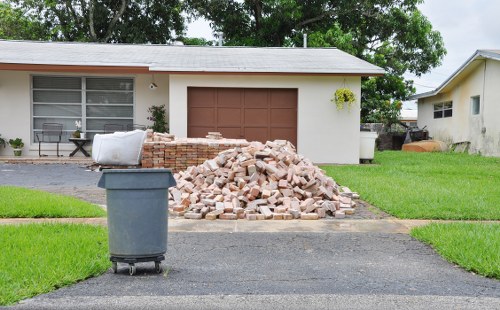
Creating a truly sustainable rubbish area means managing construction and demolition materials with precision. Our trained teams separate C&D waste into recoverable fractions—concrete and hardcore for crushing and reuse, timber for recycling or recovery, metals for scrap processors and plasterboard for dedicated recycling lines. These activities are consistent with local construction waste strategies and support skip hire in Uxbridge customers aiming for environmental compliance and reduced waste costs.
Practical recycling activities relevant to the area include separate collection of garden waste for composting, dedicated containers for plasterboard, segregation of inert soils, and capture of metals and clean wood for material recovery. Many households in the borough already use separate food and mixed recycling bins; our services complement these domestic systems by ensuring professional on-site separation for larger volumes.
We also produce regular environmental reports for clients and local stakeholders to demonstrate performance against our recycling percentage target, and to provide a clear audit trail from collection to final recovery or reuse.
Community engagement is central to our sustainability work. We sponsor local clean-up days, contribute materials to community repair projects and host drop-off sessions for reusable building materials. These initiatives enhance the sustainable rubbish area within Uxbridge by keeping usable resources in circulation and educating residents and trades about best practice.
Transparency, compliance and continuous improvement
All waste movements are supported by proper waste transfer documentation and compliance with borough permits. Our data-driven approach allows us to identify where contamination is occurring, which materials are under-recovered, and which process improvements will deliver the biggest environmental gains.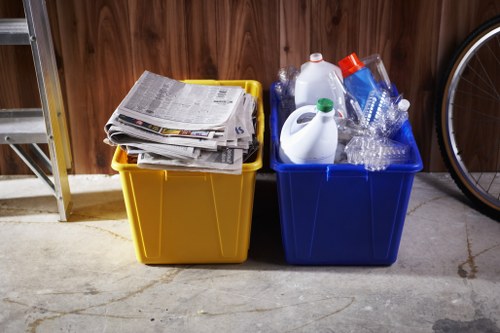 Uxbridge Skip Hire commits to being a practical partner for an eco-friendly waste disposal area in the town and the wider borough. By combining a clear recycling percentage target, strong links to transfer stations, charity partnerships and a low-carbon fleet, we offer a sustainable skip hire and rubbish removal solution that aligns with local waste separation policies and the circular economy. Together with residents, businesses and community organisations, we are working to make waste a resource rather than a burden.