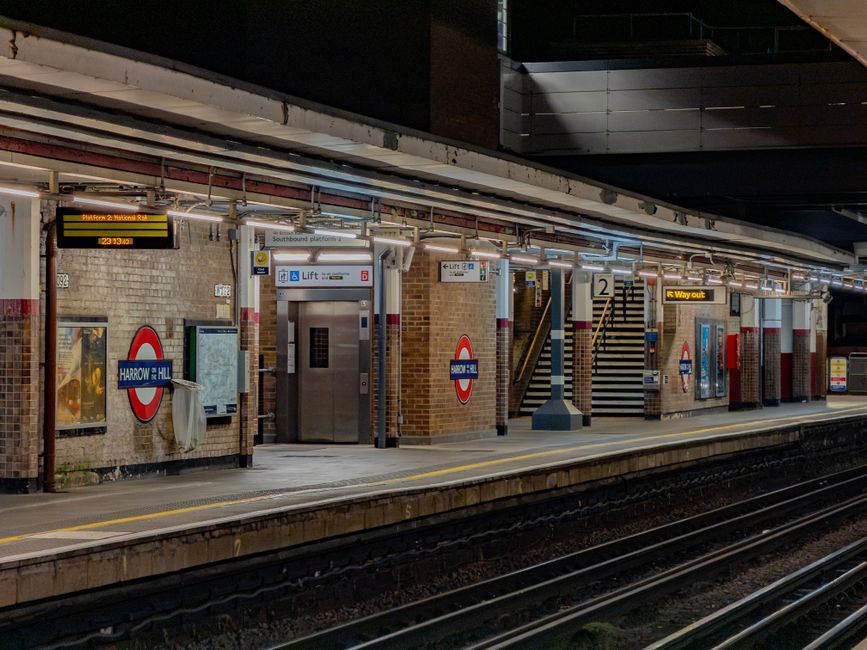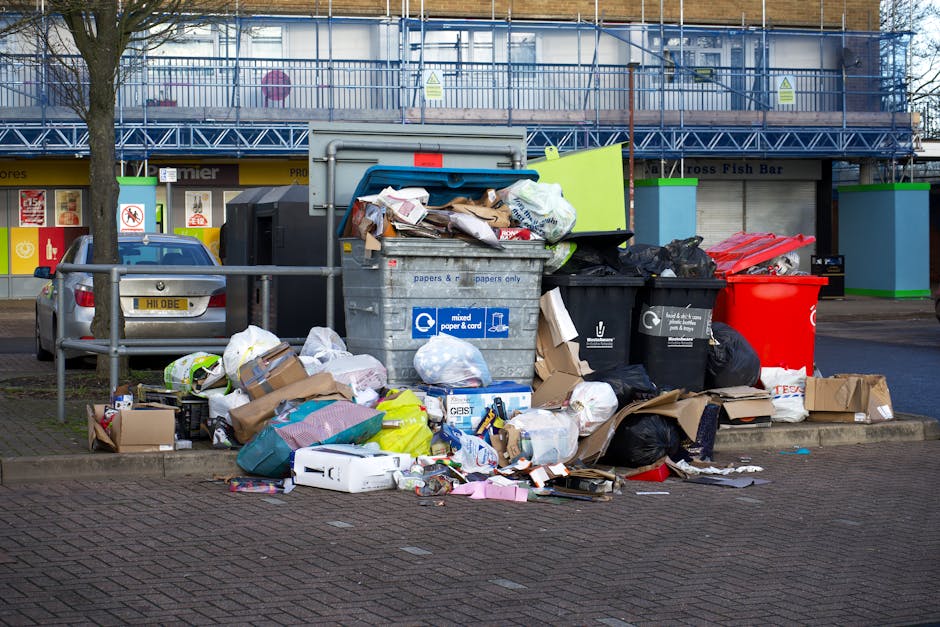
Uxbridge Tube Station area fast rubbish collection services: a practical local guide
If you need Uxbridge Tube Station area fast rubbish collection services, chances are you want one thing above all else: the mess gone quickly, cleanly, and without the usual faff. Maybe it is an overflowing flat after a move, a pile of builders' offcuts outside a shop, or a garden load that has turned into a weekend headache. Around Uxbridge, timing matters. Busy roads, shared access, station traffic, and limited parking can all make waste removal feel harder than it should be.
This guide breaks down how fast rubbish collection works near Uxbridge Tube Station, who it suits, what to expect, and how to choose the right service without paying for the wrong thing. You will also find a practical checklist, a comparison table, and straight answers to common questions. Let's make it simple.
Why Uxbridge Tube Station area fast rubbish collection services Matters
Fast rubbish collection is not just about convenience. Around Uxbridge Tube Station, it often solves a very practical problem: waste builds up quickly, and the space to store it is limited. A hallway full of boxes, a rear yard with old furniture, or a shop store-room packed with packaging can start affecting day-to-day life almost immediately.
In a station area, delays can create extra pressure. Footfall is higher, streets can be busier, and access for vehicles may be tighter than in quieter residential roads. If rubbish sits around too long, it can attract complaints, smell, block pathways, or simply make a property feel untidy and unsafe. To be fair, most people do not wait until things are perfect. They need the job done before the clutter becomes a bigger problem.
There is also the reputation side for landlords, tenants, and businesses. First impressions matter. A neat entrance and clear access point can make a flat feel cared for and a shop feel open for business. If you manage a property near the station, fast collection can be the difference between a quick turnaround and a stressful backlog.
Key point: fast rubbish collection is valuable because it reduces disruption quickly, not because it is flashy. It is a practical service for real-world mess.
How Uxbridge Tube Station area fast rubbish collection services Works
Most fast rubbish collection services follow a simple flow. You describe the waste, get a quote, agree a time slot, and the team removes everything in one visit or a short window. The better services are organised around speed without losing the basics: safe lifting, proper sorting, and lawful disposal.
In local areas like Uxbridge, there are usually two common ways the work happens. One is a man and van style collection, where a crew arrives, loads items, and takes them away immediately. The other is skip-based or wait-and-load style service, which is better for some projects, especially if the waste is already stacked and ready. A good provider will guide you on the best fit rather than pushing one option for everything. That matters more than people think.
Here is what usually happens behind the scenes:
- You share the type and volume of rubbish.
- The provider checks access, timing, and any restricted items.
- You receive a price estimate or fixed quote where possible.
- A collection window is agreed, often same-day or next-day if available.
- The team arrives, loads the waste, and leaves the area clear.
- The waste is taken for sorting, recycling, reuse, or disposal through the appropriate route.
Some collections are surprisingly quick. A single bulky item pick-up can take minutes. A full flat clearance may take longer, especially if stairwells are narrow or parking is awkward. Around the station, small practical details matter: is there lift access, can the van stop safely, are there permits or timing limits? These are the things that either speed the job up or slow it down.
For larger or mixed loads, services such as rubbish removal are often the most direct route, while project-based clearances may benefit from waste recycling services to keep recyclable material out of general waste streams where possible.
Key Benefits and Practical Advantages
The main advantage is obvious: speed. But fast collection brings several quieter benefits that are easy to overlook until you are halfway through the job and already relieved.
- Less disruption: Waste is cleared before it starts interfering with living, trading, or working.
- Safer access: Clear hallways, yards, and entrances reduce trip hazards and blocked routes.
- Better presentation: Handy for landlords, letting agents, shopfronts, and home sales.
- Less stress: You avoid multiple trips to the tip, lifting heavy items yourself, and waiting around all day.
- Flexible scheduling: Useful when you need removal around a move-out, delivery, inspection, or refurbishment.
- Waste handled properly: A responsible service will separate suitable materials for recycling or recovery where practical.
There is also a timing benefit for small businesses. If packaging, fixtures, or obsolete stock have started to creep into customer space, a quick clearance can restore order fast. You do not always need a huge operation. Sometimes a tidy-up on a Tuesday morning changes the whole week.
And yes, the emotional benefit is real too. A cleared room feels lighter. You hear the floor again. You can move without side-stepping a pile of stuff. It sounds minor. It never feels minor when you are in the middle of it.
Who This Is For and When It Makes Sense
Fast rubbish collection is not only for emergencies. It suits a wide range of everyday situations, especially where time, access, or convenience matter.
Typical situations
- Households moving out or moving in: old furniture, broken items, bags of mixed junk, or loft clutter that needs shifting quickly.
- Landlords and letting agents: end-of-tenancy clearances, abandoned items, or rush jobs before new tenants arrive.
- Shops and offices: packaging, shelving, office furniture, filing waste, or end-of-line stock.
- Builders and trades: plasterboard offcuts, rubble, timber, and general site waste from small to medium jobs.
- Garden projects: soil, branches, hedge cuttings, fencing, and old outdoor furniture.
- One-off bulky items: sofas, mattresses, appliances, and other awkward loads that are a pain to move yourself.
It also makes sense when the waste is simply getting in the way. That sounds obvious, but it is often the real trigger. One day it is "just a spare pile in the corner"; next thing you know, it is taking over the room. Happens all the time.
If you are dealing with household clutter rather than a simple load of rubbish, services such as house clearance can be a better fit. For smaller attic, garage, or storage-room jobs, garage and loft clearance can be more efficient than arranging a full skip.
Step-by-Step Guidance
If you want the process to go smoothly, preparation helps a lot. Here is a practical step-by-step approach that keeps things moving.
1. Identify what needs to go
Walk through the space and separate the waste into rough groups: bulky items, bagged rubbish, recyclable materials, and anything that may need special handling. You do not need to overthink it. Just get a clear picture.
2. Check access early
Can a van stop nearby? Is there parking nearby? Are there tight stairs, low ceilings, or a shared entrance that might slow the team down? Near the station, access can be the difference between a smooth collection and an awkward one.
3. Note any restricted items
Some items need special handling. Examples may include fridges, certain electricals, chemicals, or anything that could be classed as hazardous. Mention these up front. It saves time and avoids a last-minute surprise.
4. Get a clear quote
Ask what is included. Does the price cover labour, loading, disposal, and any extra handling? Is the quote based on volume, item count, or a visual estimate? Clarity matters. Nobody likes a bill that arrives with little add-ons tucked into the corners.
5. Book the right slot
If the waste needs removing before a delivery, inspection, or opening time, be specific. Morning collections are often helpful around busier areas because access can be easier before the day gets fully going.
6. Make the load ready
Group items together where safe to do so. Leave a clear path from the waste to the exit. If sacks are loose, make sure they are secure. This saves time and keeps the collection tidy.
7. Walk through the job after collection
Check that the area is clear and that no small items, broken bits, or loose packaging have been left behind. A quick check at the end avoids the annoying "oh, there was still that one bit" moment.
Expert Tips for Better Results
Over the years, the smoothest collections tend to come down to preparation and communication. A few simple habits make a big difference.
- Send photos if you can. A few clear pictures often help the provider judge size, access, and labour more accurately.
- Separate valuable recyclables. Cardboard, metal, and clean wood may be handled differently from mixed waste.
- Stack safely. Do not build unstable towers of boxes or furniture. It slows everything down and can be unsafe.
- Tell the team about stairs, lifts, or locked gates. The more they know, the more efficiently they can plan.
- Ask what happens to the waste. A responsible company should be able to explain the general disposal route clearly.
- Keep parking in mind. In a busy local area, access plans often matter as much as the waste itself.
One small but useful point: if you are clearing a property with neighbours close by, pick a time that reduces disturbance. Early enough to be efficient, but not so early that everyone hears the furniture shuffle at dawn. Common sense, really.
For bulky household items such as sofas or white goods, specific services like mattress and sofa disposal and fridge and appliance removal can save a lot of hassle compared with trying to move them alone.
Common Mistakes to Avoid
Fast waste removal sounds straightforward, but a few common mistakes can slow it down or make it cost more than necessary.
- Underestimating the volume: A half-full hallway often turns into a full van load. More than once, too.
- Not mentioning access issues: Narrow stairs, poor parking, or long carries can affect timing and price.
- Mixing in prohibited items: If something needs special handling, say so before collection day.
- Choosing speed over suitability: Fast is useful, but the right method matters more than the fastest headline promise.
- Leaving everything loose: Small items take longer to load than tidy sacks or grouped piles.
- Forgetting permits or permissions: If the collection method needs a skip or space on the road, plan ahead.
There is a subtle but important point here: cheap and fast is not always the same as good value. If a provider has to come back because the job was misdescribed, the delay can wipe out any saving. Truth be told, that is where many headaches begin.
Tools, Resources and Recommendations
You do not need specialist equipment to prepare for rubbish collection, but a few basic tools help.
- Heavy-duty bin bags or rubble sacks: Useful for general waste and smaller loose material.
- Labels or sticky notes: Handy if you want to mark items to keep, recycle, or remove.
- Gloves and sturdy footwear: Basic protection if you are moving items before the team arrives.
- Box cutter or tape: Good for breaking down packaging and flattening cardboard.
- Phone camera: Simple, but very useful for getting a quote and showing access points.
As for service options, consider the nature of the waste rather than just the headline speed. For example:
- same-day skip hire can suit larger or more self-managed projects.
- wait and load skip hire works well where you need fast turnaround without a skip sitting outside for long.
- man and van collections are often the easiest option for mixed household items and awkward loads.
- builders waste removal is a better match for ongoing or trade-based clearances.
If you are comparing options, also check pricing and quotes and skip sizes and prices so you can judge the total value, not just the first number you see.
Law, Compliance, Standards, or Best Practice
Waste removal in the UK should be handled responsibly. You do not need to become a legal expert, but it is sensible to understand the basics. A reputable provider should transport waste appropriately, dispose of it through proper channels, and handle anything hazardous with extra care.
If you are a householder, your main job is to give an honest description of the waste and avoid mixing in items that require special treatment unless the provider has agreed to take them. If you are a business, the expectations are higher because you may have duty-of-care responsibilities around waste transfer and disposal records. The exact requirements depend on the type of waste and the business setup, so careful guidance matters.
Best practice usually includes the following:
- being clear about waste type and volume
- keeping access safe and unobstructed
- separating hazardous or specialist items
- using a provider with suitable insurance and procedures
- checking that waste is managed through proper routes rather than dumped or mishandled
It is also sensible to look at a company's wider operational standards. Pages such as health and safety policy and insurance and safety can help you understand how seriously a provider takes risk management. For more sensitive paperwork or business material, confidential shredding may be relevant.
If hazardous material is involved, do not guess. Ask first. Services like hazardous waste disposal are there for a reason, and trying to fold dangerous items into ordinary rubbish removal is a bad idea. Simple as that.
Options, Methods, or Comparison Table
Different jobs call for different methods. The right choice depends on how much waste you have, how quickly it needs clearing, and whether you want to do any of the loading yourself.
| Method | Best for | Strengths | Things to consider |
|---|---|---|---|
| Man and van rubbish removal | Mixed household waste, bulky items, small clearances | Fast, flexible, little effort from you | Price depends on volume and labour, so accurate description matters |
| Wait and load | Rapid collections, restricted parking, short jobs | No long on-street storage, often efficient in busy areas | You need to have items ready when the crew arrives |
| Skip hire | Ongoing jobs, renovation waste, self-managed loading | Good for larger projects, can suit repeated filling | May need space and possibly a permit |
| Grab hire | Heavy or loose material, soil, rubble, larger loads | Handles bulk waste efficiently | Needs access for the vehicle and enough room to operate |
For a station-area clearance, the shorter the access window, the more attractive wait-and-load or van-based collection usually becomes. But if you are clearing a building plot or a bigger refurbishment load, grab hire services or skip hire may be the better fit. No one-size-fits-all answer here, and that is fine.
If the job involves site leftovers, site clearance or construction waste disposal can be more suitable than a basic household collection. Different waste, different approach.
Case Study or Real-World Example
Picture a flat a short walk from Uxbridge Tube Station. The tenant has moved out, the landlord needs a quick turnaround, and the property still contains a broken wardrobe, several bin bags, an old mattress, and a stack of packaging from a new fridge delivery. The hallway is narrow, parking is limited, and the next viewing is the following afternoon.
In a situation like that, the best move is usually to send photos, confirm access, and arrange a fast collection rather than trying to tackle it piecemeal. A crew arrives early, checks the items, carries everything out in one controlled run, and leaves the property ready for cleaning. The whole thing can feel almost anticlimactic once it is done. Which, frankly, is exactly what you want.
Now compare that with a small business near the station trying to clear old shelving, card packaging, and a damaged counter. If the team has been told ahead of time that access is tight and the load is mixed, the collection can be planned properly. The business gets back to serving customers, and the waste does not linger in the corner for another week. Small win, but a real one.
That is the quiet value of a good service: it reduces friction. Less arguing with the rubbish, more moving on with your day.
Practical Checklist
Use this checklist before booking a fast collection near Uxbridge Tube Station.
- Identify exactly what needs removing.
- Separate any hazardous or specialist items.
- Take photos of the waste and access route.
- Check parking, stairs, gates, and lift access.
- Choose the right service type for the load.
- Ask what is included in the quote.
- Confirm the booking time and arrival window.
- Clear a safe path to the items.
- Keep pets, children, and bystanders out of the work area.
- Do a final walk-through after collection.
Expert summary: the best fast rubbish collection is not just the quickest one. It is the one that arrives prepared, clears the waste safely, and leaves no loose ends behind. That combination saves time, money, and a fair bit of stress.
Conclusion
Uxbridge Tube Station area fast rubbish collection services are at their best when they are simple, responsive, and well matched to the job. Whether you are clearing a flat, emptying an office, removing builder's waste, or shifting one awkward bulky item, the right service should make life easier rather than more complicated.
Think about access, waste type, timing, and compliance before you book. Those four things cover most of the real-world headaches people run into. And if you get them right, the rest tends to follow smoothly enough. Not always perfectly, mind you, but smoothly enough.
If you are comparing options now, choose a provider that is clear on pricing, safe handling, and disposal standards, then book at the earliest sensible slot. It is usually the fastest route to getting your space back.
Get a free quote today and see how much you can save.
Frequently Asked Questions
What counts as fast rubbish collection near Uxbridge Tube Station?
It usually means same-day or next-day collection, or a short-notice booking window where the waste is removed quickly after you confirm the details. The exact timing depends on availability, load size, and access.
Is same-day rubbish removal always available?
Not always. Same-day slots depend on how busy the provider is, what kind of waste you have, and whether the location is easy to access. Booking early in the day gives you a better chance.
Do I need to move the rubbish myself before the team arrives?
Usually not, but grouping items together helps. If you use a man-and-van or wait-and-load service, having the waste ready can speed everything up and sometimes reduce the cost.
What kinds of waste can be collected quickly?
Most general household waste, bulky furniture, garden waste, office clutter, and some construction debris can be collected quickly. Hazardous items and specialist materials need separate handling.
Can rubbish be collected from flats with narrow stairs or poor parking?
Yes, often it can, but access details matter a lot. Let the provider know about stairs, lifts, parking limits, and any restrictions before booking so they can plan properly.
Is fast rubbish collection better than hiring a skip?
It depends on the job. Fast collection is usually better for immediate clear-outs and bulky items, while a skip can suit ongoing DIY or renovation work where you want to load waste yourself over time.
How do I know if something needs special disposal?
If you are unsure, ask. Items like fridges, some electricals, chemicals, paint, batteries, and certain construction materials may need separate treatment or a specialist service.
Will the price change if I have more waste than I first described?
It can, yes. That is why accurate photos and a clear description matter. If the load is larger, heavier, or harder to access than expected, the quote may need adjusting.
What should I ask before booking a local collection?
Ask what is included, how the quote is calculated, how quickly they can attend, whether recycling is considered, and whether there are extra charges for access issues or specialist items.
Can businesses use fast rubbish collection too?
Absolutely. Shops, offices, landlords, and tradespeople often rely on quick collections to keep space clear and operations moving. Business waste may need extra attention to record-keeping and duty-of-care requirements.
What happens to the waste after collection?
It depends on the material, but responsible providers sort items for reuse, recycling, or disposal through appropriate facilities. Mixed waste is usually separated where practical, though not every item can be recovered.
How can I make the collection day go more smoothly?
Be ready with photos, access details, and a clear idea of what is going. Keep the route open, secure loose items, and make sure the team can park or stop safely. A little preparation goes a long way.