Smart Tips for Responsible Pots and Pans Disposal
Smart Tips for Responsible Pots and Pans Disposal
Eco-friendly kitchen practices are becoming increasingly popular as more people seek sustainable solutions for household waste. One common kitchen dilemma is how to responsibly dispose of old pots and pans. If you're upgrading your cookware, moving, or simply decluttering, it's essential to ensure your pots and pans disposal is both environmentally conscious and resource-efficient.
Why Responsible Pots and Pans Disposal Matters
Many cookware items are made from metals, non-stick coatings, and plastics that can leach chemicals or take hundreds of years to break down in landfills. Improper disposal contributes to pollution and missed opportunities for recycling valuable materials. By using smart disposal tips for unwanted pots and pans, you can:
- Reduce landfill waste
- Conserve natural resources via recycling and repurposing
- Support local charities through donations
- Protect the environment from hazardous materials
Let's explore comprehensive methods for eco-friendly cookware disposal and how you can give your old pots and pans a new life.
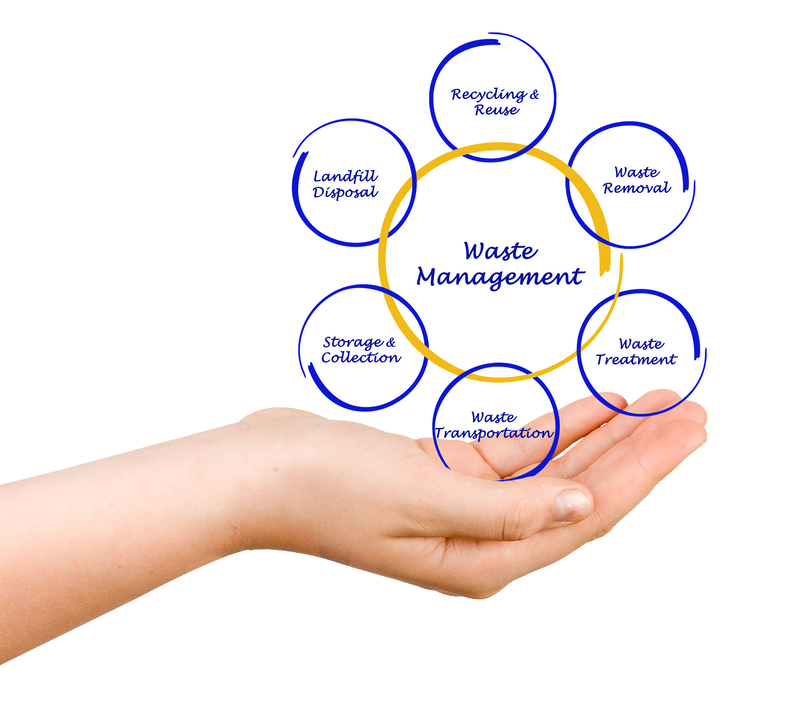
1. Consider Cookware Reuse Before Disposal
Before you throw away old pots and pans, assess whether they're truly at the end of their life. Many items can still be reused, repurposed, or donated. Here are a few ways to extend the life of your cookware:
- Donation: If your pots and pans are still functional, consider donating them to local shelters, schools, or community centers. Many organizations accept gently used cookware for those in need.
- Repurposing: Non-stick pans with scratches or discolored stainless steel can be used as plant containers, storage bins, or even creative art projects. Encourage kids to paint or decorate old pans for a fun family activity.
- Upcycling: Turn your old pots into garden planters or birdbaths. Cast iron skillets, for example, are durable and make excellent rustic garden accessories.
Tips for Donating Pots and Pans
- Ensure items are clean and free of food residue
- Call local charities or shelters to check if they accept cookware donations
- Package lids and handles together to keep sets intact
Remember: Donating saves landfill space and supports families in need--a win-win approach to responsible pots and pans disposal.
2. Recycling Old Cookware: What You Need to Know
If your pots and pans are damaged or unsuitable for reuse, recycling is the preferred next step. However, the process can be a bit tricky, as not all household recycling programs accept cookware due to their materials and coatings. Here's how you can recycle pots and pans the right way:
Identify What Your Cookware Is Made Of
- Aluminum: Lightweight, non-magnetic, often used for fry pans and saucepans.
- Stainless Steel: Magnetic, durable, and common for premium cookware.
- Cast Iron: Heavy and magnetic--a top candidate for metal recycling.
- Copper: Usually found in high-end or decorative pans.
- Non-Stick/Coated: Includes Teflon and ceramic coatings which must be handled separately.
Always check with your local recycling center regarding accepted materials. While many centers accept stainless steel or aluminum, non-stick coatings and handles may need removal.
Where to Recycle Old Pots and Pans
- Scrap Metal Yards: Most reputable yards accept pots, pans, and cookware for metal recycling. Remove as much non-metal material as possible beforehand.
- Municipal Recycling Drop-Offs: Some cities have specific scrap metal days or drop-off points for household items like cookware.
- Household Hazardous Waste Events: For cookware containing Teflon or other chemical coatings, call ahead and dispose of during household hazardous waste days.
- Retail Take-Back Programs: Some cookware brands and stores offer trade-in or recycling programs when you buy new sets. Check with stores for ongoing promotions.
Tip: Remove plastic handles or glass lids where possible, as these require separate disposal. Clean thoroughly before recycling.
3. Avoid Common Mistakes With Cookware Disposal
When dealing with old pots and pans, it's easy to make mistakes that harm the environment or waste local resources. Watch out for these pitfalls:
- Throwing Cookware in Household Recycling Curbside Bins: Most curbside programs don't accept large metal or coated cookware. Always check with your provider.
- Ignoring Coated or Hazardous Materials: Non-stick coatings (like Teflon), enamel, or ceramics can contaminate recycling loads. Separate these materials or take them to specialized facilities.
- Putting It in the Regular Trash: Landfilling should be the last resort, as it prevents material recovery and increases landfill burden.
How to Prepare Pots and Pans for Disposal
- Clean thoroughly to remove food, grease, and residues
- Detach handles, knobs, and non-metal parts where possible
- Group similar materials for easier processing
- Do NOT break or shatter glass lids--dispose as per glass recycling guidelines
Smart cookware disposal starts with education and respect for local guidelines!
4. Finding Local Solutions for Cookware Disposal
Your town or city may already have established services for responsible pots and pans disposal. Visit your municipal website or call your public works department to find out about:
- Community recycling centers
- Bulk waste pick-up days
- Charity collection events
- Environmental organizations hosting recycling drives
Online Resources and Directories
- Earth911.com: Type "pots and pans" and your zip code to find local recycling options.
- Main retail chains like Best Buy, Sur La Table, or Williams Sonoma sometimes accept old cookware for recycling during specific events.
- Facebook Marketplace or Buy Nothing Groups: These platforms allow you to give away cookware to local residents.
Leverage these resources to ensure your old pots and pans find a new home or are recycled properly.
5. Repurposing Cookware in Creative Ways
If you enjoy DIY projects, old cookware can serve as raw material for upcycling. Here are some popular ideas:
- Garden Planters: Drill a few holes in the bottom of old pots or pans, add soil, and plant herbs or flowers. Cast iron and stainless steel can withstand the elements.
- Bird Baths and Feeders: Hang a deep pan from a sturdy tree branch to attract birds and wildlife.
- Outdoor Decor: Paint cookware in bright colors to make unique wind chimes, stepping stones, or wall art.
- Workroom Tools: Use deep pans as organizers for tools, craft supplies, or nuts and bolts in the garage.
Not only does this approach minimize waste, but it also adds quirky, functional art to your home and garden!
6. Special Considerations for Non-Stick and Coated Cookware
Non-stick surfaces, such as Teflon or ceramic coated cookware, require extra care when it comes to disposal and recycling. These coatings can contain chemicals that shouldn't be released into the environment. Here's what to do:
- Never burn non-stick pans as this releases toxic fumes.
- Check local guidelines - Some areas have specific instructions for non-stick coatings. Many scrap yards will accept these pans but may require the coating to be removed.
- Hazardous Waste Facilities - For pans with worn or peeling coatings, household hazardous waste collection may be the best solution.
Responsibly disposing of non-stick and coated pans ensures hazardous materials don't end up in your soil or water supply.
7. Disposing of Damaged or Broken Cookware
Broken handles, cracked glass lids, or warped pans are inevitable with heavy use. If your items aren't suitable for reuse, here's a breakdown of how to dispose of damaged cookware:
- Metal Parts - Take to a scrap metal dealer after removing non-metal elements.
- Glass Lids - Dispose of tempered glass with other glass recyclables (if allowed) or in a dedicated glass waste facility. Never with household glass.
- Plastic Handles - Remove and dispose of with plastic recycling if the type matches local guidelines.
Check with your local waste authority on how to separate and sort these materials to keep the disposal process both safe and environmentally friendly.
8. Smart Shopping: Buy Cookware That's Easy to Recycle
One powerful way to promote responsible pots and pans disposal is to purchase kitchenware with end-of-life in mind. Here's how to shop smart:
- Choose recyclable materials such as stainless steel, cast iron, or aluminum with minimal coatings.
- Avoid extra non-stick or plastic components which complicate recycling.
- Seek brands offering take-back or recycling programs, such as Calphalon or GreenPan.
- Buy quality over quantity - Sturdy, high-quality cookware lasts longer and reduces future disposal needs.
An eco-conscious kitchen starts with mindful purchasing decisions!
FAQ: Responsible Pots and Pans Disposal
- Can I put old pots and pans in the recycling bin?
Usually no--most household recycling programs can't process cookware. Take items to a dedicated scrap metal facility instead. - What do I do if my pan has a plastic handle or glass lid?
Separate these components before recycling. Take plastic handles to a plastics recycler (if possible) and glass lids with glass recyclables. - Are there any brands with cookware recycling programs?
Yes, check out Calphalon, GreenPan, and some retailers for recycling or trade-in offers. - Do charity shops accept used cookware?
Most do if the items are clean, functional, and in good condition. Call your local shop first to verify.
Conclusion: Responsible Pots and Pans Disposal Makes a Difference
Managing pots and pans disposal provides a fantastic opportunity to help the environment, support your community, and get creative with upcycling. By following these smart disposal tips:
- Reuse and donate whenever possible
- Recycle metals at authorized facilities
- Avoid hazards by properly handling coated and broken cookware
- Engage in creative upcycling for home or garden use
- Shop with end-of-life recycling in mind
Every responsible action, no matter how small, helps build a more sustainable world. Make your next cookware upgrade eco-friendly by disposing of old pots and pans the right way!
Ready to declutter your kitchen? Start with these smart, responsible pots and pans disposal tips and turn old cookware into a green opportunity!